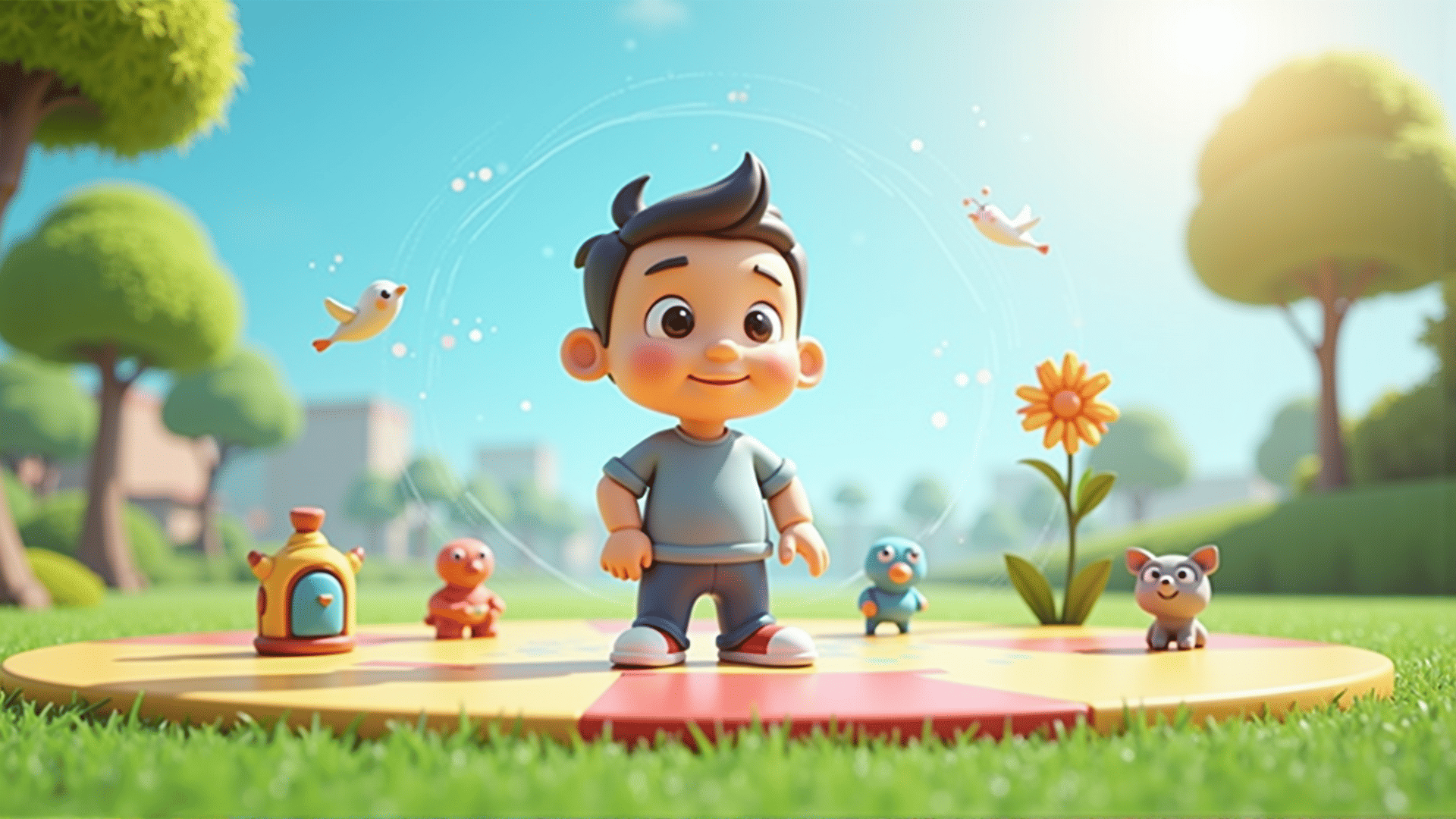
Animation is a dynamic and evolving art form that offers numerous techniques to bring imaginative visions to life. Whether you're a seasoned animator or a newcomer, understanding the variety of methods available can enhance your storytelling and visual creativity.
One of the most traditional forms of animation is 2D hand-drawn animation. This technique involves creating frames individually to produce movement through sequences. While it requires meticulous attention to detail and patience, the result is a fluid and expressive visual narrative. Many classic animated films and television shows have embraced this method, celebrated for its timeless and artistic appeal.
In contrast, 3D animation utilizes computer-generated imagery to create three-dimensional characters and environments. This approach offers a high degree of realism and versatility, making it a popular choice for modern films, TV series, and video games. With advancements in technology, animators can achieve sophisticated effects, such as realistic lighting and texture mapping, which enhance the immersive experience for audiences.
Stop motion animation is another captivating technique where physical objects are photographed in small increments between frames, creating the illusion of movement when the series of frames is played in sequence. This method can use various materials, including clay (often referred to as claymation), puppets, or even everyday objects, allowing for a tactile and organic aesthetic. Notable films in this genre often charm viewers with their unique style and intricate craftsmanship.
For those interested in the abstract and experimental, motion graphics provide a compelling avenue. This technique combines graphic design and animation, often used for creating visually engaging titles, logos, or explainer videos. Motion graphics are versatile, making them suitable for both artistic expression and informative content, often incorporating elements like kinetic typography and complex visual effects.
A growing trend in animation is the application of real-time animation, especially in interactive media and virtual reality environments. Utilizing game engines, animators can create scenes that respond to viewer inputs, offering a dynamic storytelling experience. This technique is pivotal in the development of VR experiences and interactive narratives, pushing the boundaries of traditional linear storytelling.
Undoubtedly, animation is a multifaceted art form with a rich variety of techniques, each offering unique possibilities for expression and creativity. By exploring these diverse methods, animators can find the means to convey their artistic visions effectively, inviting audiences into their imaginative worlds.