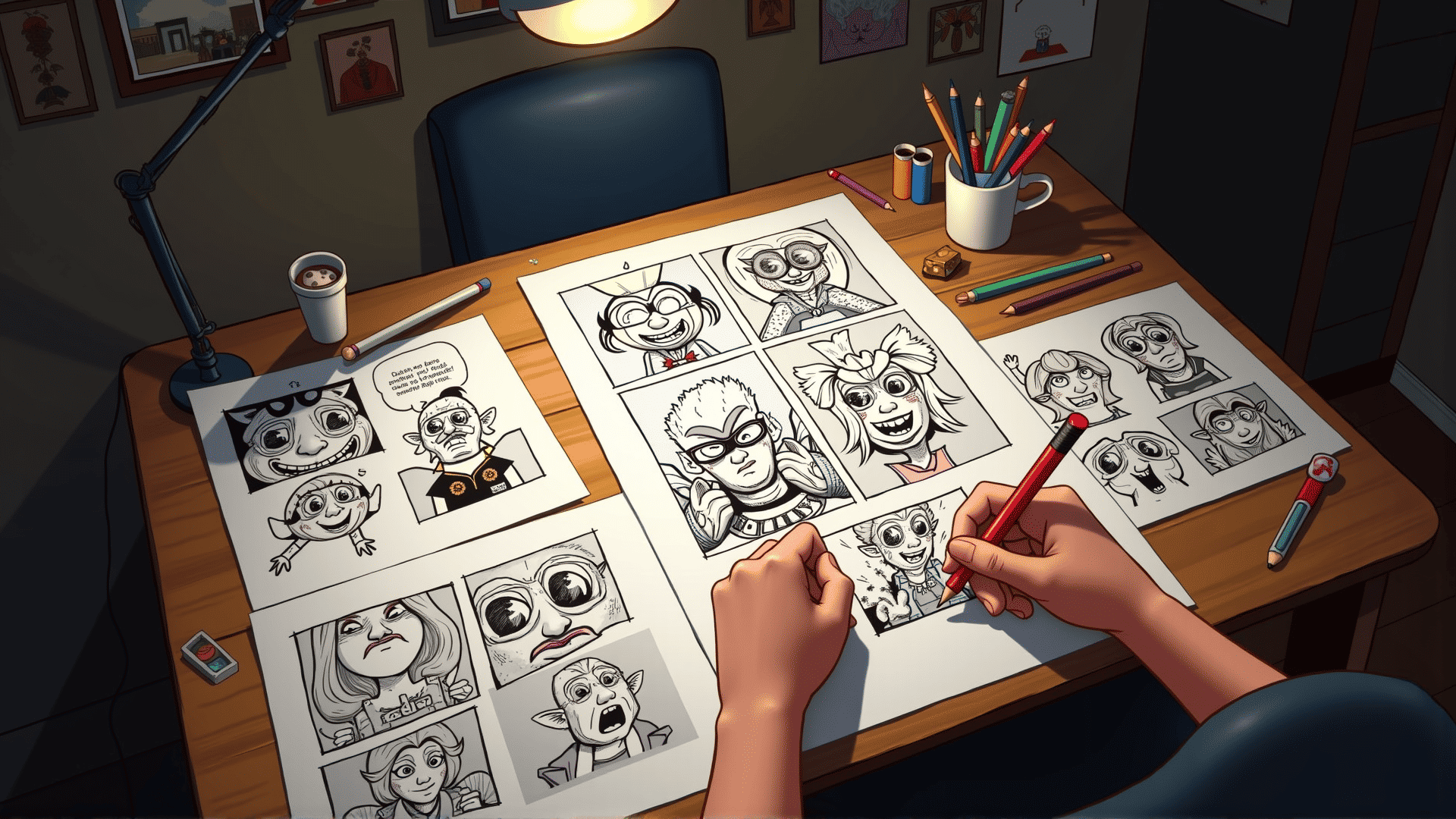
Storyboarding is a critical skill in the creative process, offering a blueprint for translating narratives into visual formats. It’s used across various media, including film, animation, video games, and advertising, to map out scenes and sequences before they come to life. Mastering storyboarding enables creators to construct visually compelling and coherent narratives.
At its core, storyboarding is about visualization. It involves planning and organizing scenes through a sequence of drawings or images to understand how a story will unfold. This method helps convey the narrative, pacing, and emotional arc to everyone involved in the production.
Understanding the Basics
The first step in storyboarding is understanding the story's structure. This includes identifying the beginning, middle, and end of a narrative. Each storyboard panel represents a specific moment in the scene, usually annotated with dialogue or action notes. Understanding timing and transitions between these moments is essential to keeping the audience engaged.
Crafting Compelling Scenes
To create an engaging storyboard, focus on the visual dynamics of each scene. This includes the composition, camera angles, and transitions. The use of close-ups, wide shots, and medium shots can change the viewer’s perception and emotion. Experimenting with perspective and framing can lead to a more immersive experience.
Details Matter
While storyboards do not need to be elaborately detailed, including enough information to convey movement and emotion is crucial. Characters’ expressions, vital props, and settings should be clear. Annotating the mood and pacing of scenes helps maintain consistency and clarity.
Iteration and Feedback
Storyboarding is an iterative process. Initial drafts often undergo revisions based on feedback. Collaboration is key; directors, writers, and other team members contribute to refining the vision. Embracing feedback ensures that the story’s intention is communicated effectively.
Tools and Techniques
With the rise of digital technology, various software tools have emerged, making storyboarding more accessible. These tools often offer features like pre-drawn character sets and scene templates, which can streamline the process. However, traditional hand-drawn sketches remain popular for their organic and flexible nature.
Impact on the Narrative
A well-crafted storyboard captures not just the essence of the narrative but also sparks creativity in execution. It acts as a visual script, guiding the production team in bringing the story to fruition. This planning tool ensures creative visions are realized accurately and efficiently.
In essence, storyboarding is an art form that bridges written narratives with their visual counterparts. Focusing on storytelling fundamentals, visual creativity, and collaborative feedback, storyboarding can effectively lay the groundwork for captivating stories that resonate with audiences. Embracing this craft enriches the narrative process and enhances the storytelling experience.